
jardin joyeux- la maladrerie - aubervilliers


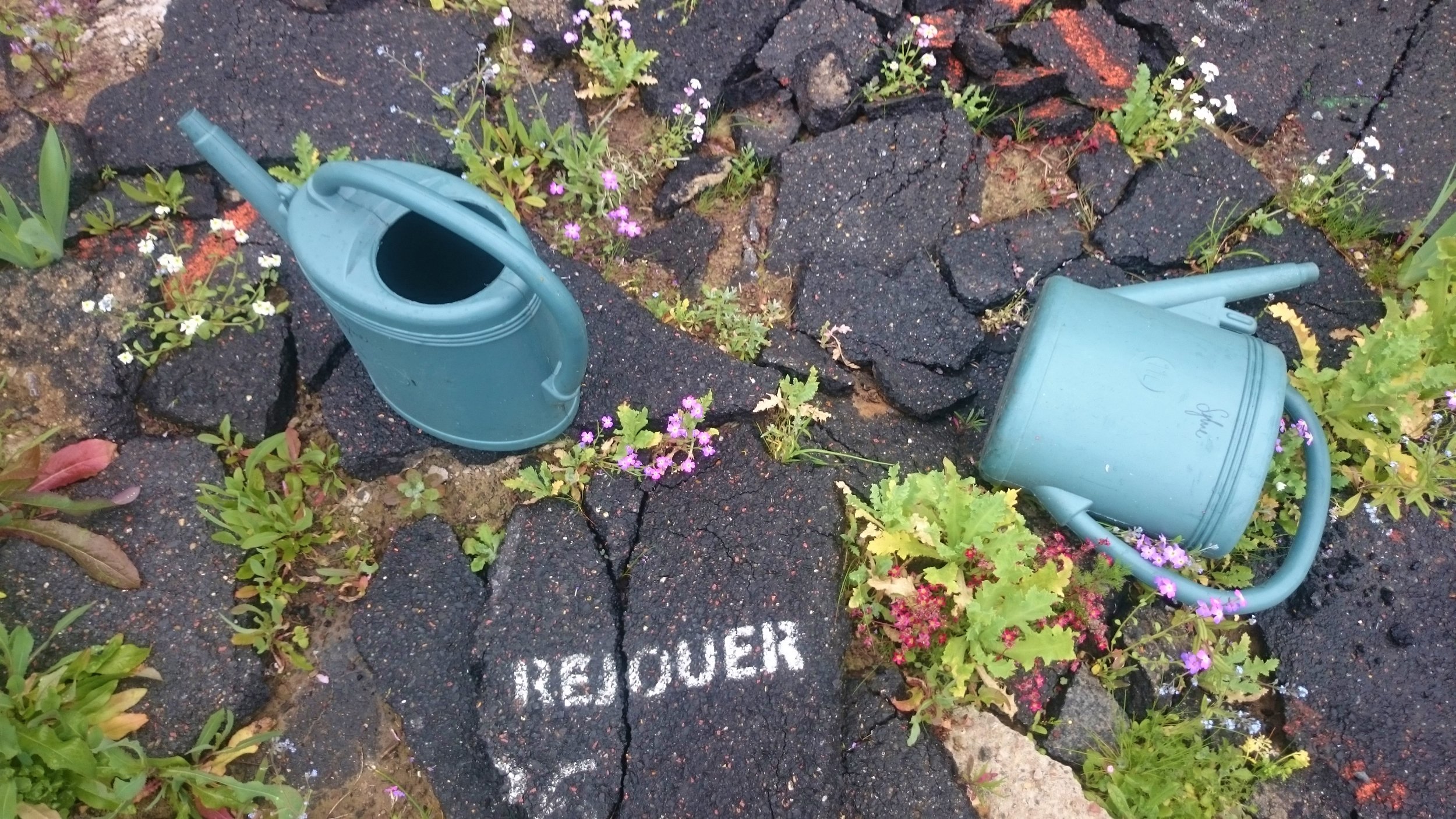


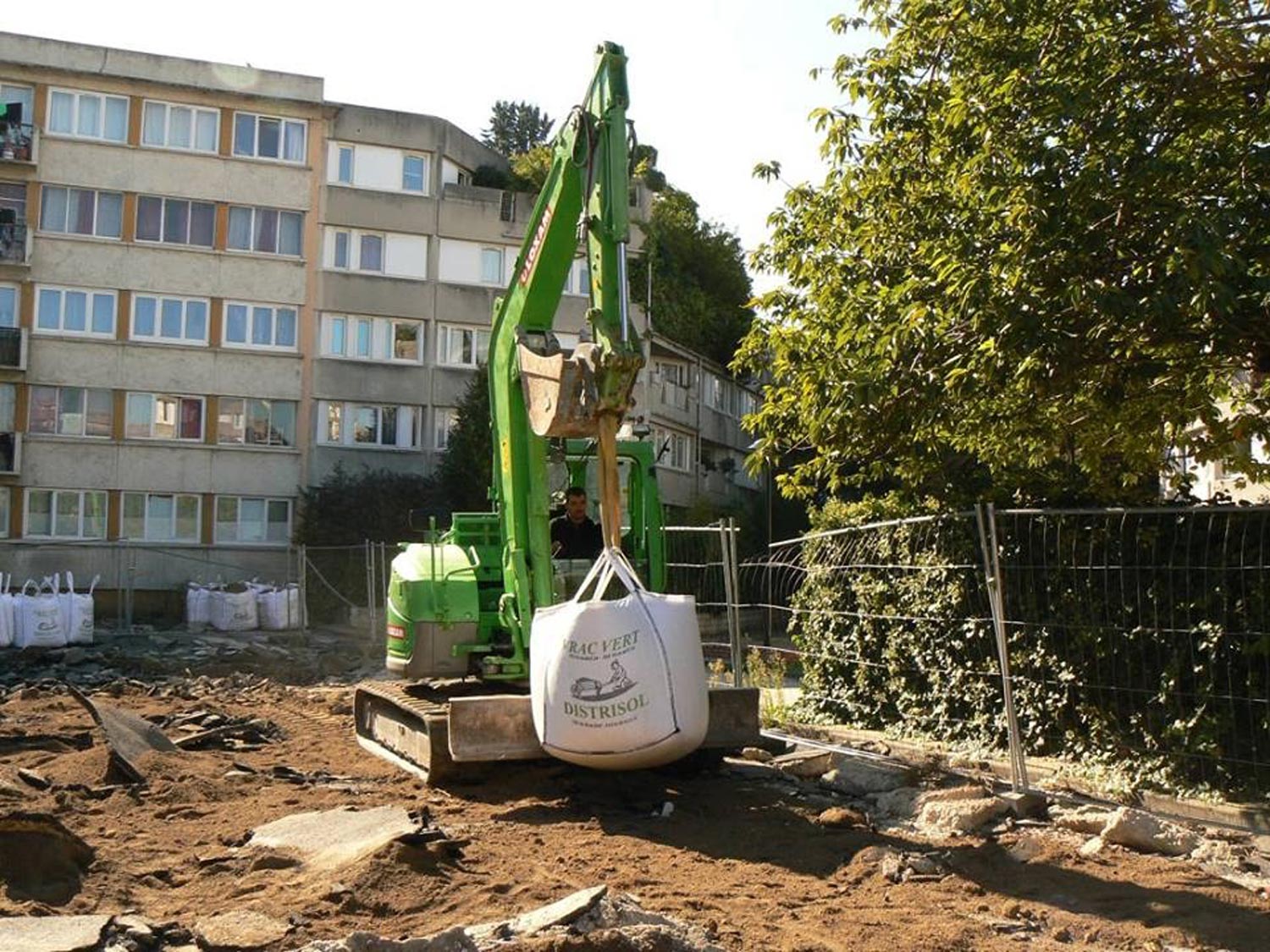


photos : Yann Monel et WagonAt the entrance to the Maladrerie garden city, built in the 1980s in Aubervilliers, an abandoned car park had become a focal point for neighbourhood conflicts. Degraded by motorised uses and ongoing tensions between residents, the site was entirely dismantled by the social housing authority that owns the property in order to put an end to illegal motorbike riding. In 2015, the asphalt layer was fractured across the entire surface and then left in place. Faced with this mineral chaos, and while awaiting an urban renewal project with an uncertain timeline, the housing authority turned to Wagon Landscaping to develop a transitional solution.
Inspired by nineteenth-century alpine gardens, the project introduces more than 150 plant species adapted to dry, nutrient-poor and highly constrained conditions. The intervention transforms this fully artificial and impermeable ground into a 1,600 m² rock garden, conceived as a living and evolving environment. The design is based on a radical economy of means and materials. No material is removed from the site. The broken asphalt fragments become the structure of the soil and are simply covered with a thin, five-centimetre layer of substrate, limiting the import of agricultural soil and avoiding the generation of waste. This approach recreates a minimal level of fertility, sufficient to trigger long-term vegetative dynamics.
The garden is developed without automatic irrigation and relies on extensive maintenance, described as “maintenance by subtraction”. Based on close observation of spontaneous evolution, this form of gardening supports existing balances by deciding which plants are retained and which are removed, without exporting green waste. Carried out by Wagon for nearly ten years, this ongoing maintenance is the essential condition for the project’s durability.
Today, the Jardin des Joyeux is a widely documented international prototype, regularly visited, demonstrating the capacity of even the most difficult urban soils to once again become living, restrained and welcoming spaces.
In that way, more than 200 species of plants chosen for their behaviour in extreme conditions (drought, poor soils and shallow grounds, variations of temperatures…) and their self development (adapted to rare and ponctual maintenance) were planted.
Garden is organized in four parallel areas :
“succulent garden”, based on gravels, where sedums proliferate
“central meadow”, where is condensed diversity of perennials, shrubs and seeding
“path”, a pre-existing pavement, offer visitors to walk inside the garden
“planted edge”, where bushes and pioneer trees create visual limit garden and living dwellings.
client : Council house of Aubervilliers city